
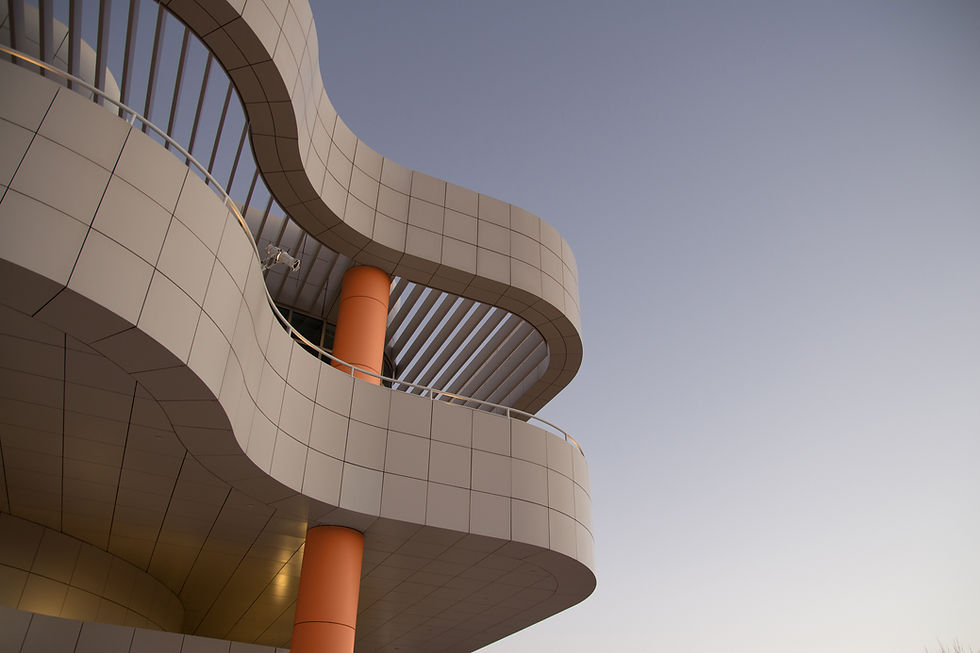
Designing for verticality is never just about reaching higher into the sky, it is also about ensuring that a structure remains safe, stable and resilient when the ground beneath it begins to move. This is where dynamic analysis becomes central to the design of tall buildings.

What is Dynamic Analysis?
Unlike static analysis, which assumes loads are applied steadily and uniformly, dynamic analysis studies how a structure reacts to time-dependent forces. These forces can include:
Seismic activity – earthquakes create ground accelerations that vary in intensity and duration.
Wind loads – gusts and turbulence induce vibrations that travel through the building frame.
Human activity & mechanical systems – rhythmic movements like walking, machinery, or elevators can create resonance.
Tall buildings, due to their slenderness and flexibility, are especially sensitive to these effects.
Why It Matters for Tall Buildings
A tower’s performance is not only defined by how much weight it can carry but also by how it moves. During a seismic event, a building might sway, twist, or vibrate. If not accounted for, these movements can compromise comfort, safety and long-term performance.
Dynamic analysis helps engineers and architects answer crucial questions:
How much will the building sway under earthquake conditions?
At what points might resonance amplify the movement?
What level of damping is required to absorb energy safely?
Tools and Methods
Modern dynamic analysis combines mathematical models, software simulations and real-world data. Among the most used tools are:
Modal Analysis – identifies the natural vibration modes of a structure.
Response Spectrum Analysis – evaluates building response across a range of possible seismic inputs.
Time History Analysis – simulates how a structure behaves under recorded earthquake data.
These methods allow architects and engineers to design not only for strength but also for resilience.
From Analysis to Collaboration
Dynamic analysis is not a task completed in isolation. To validate ideas and transform numbers into resilient architecture, we must build partnerships with structural specialists.
That’s why Step 3: Collaborations and Professional Feedback is essential in our process.
Identifying partners – reaching out to firms like Popp & Associates, SacoConstruct, and Freyssinet to initiate informal conversations about seismic projects and structural concepts.
Participating in events – joining UTCB and OAR conferences on seismic design and signing up for the National Conference on Seismic Engineering to exchange ideas directly with experts.
Joining technical communities – being present on Structura Club and strengthening ties through Women in BIM România, where digital tools bring together architecture and structural engineering.
Through these steps, dynamic analysis becomes more than a calculation, it becomes a collaborative practice, where feedback loops between architects and engineers ensure that tall buildings can truly stand firm in seismic zones.
Looking Ahead
Dynamic analysis reminds us that architecture is alive, it moves, responds and adapts. At ALD Architecture, our mission is to design vertical structures that respect not only the skyline but also the earth beneath them.


